Water & Flood Damage in New Hampshire
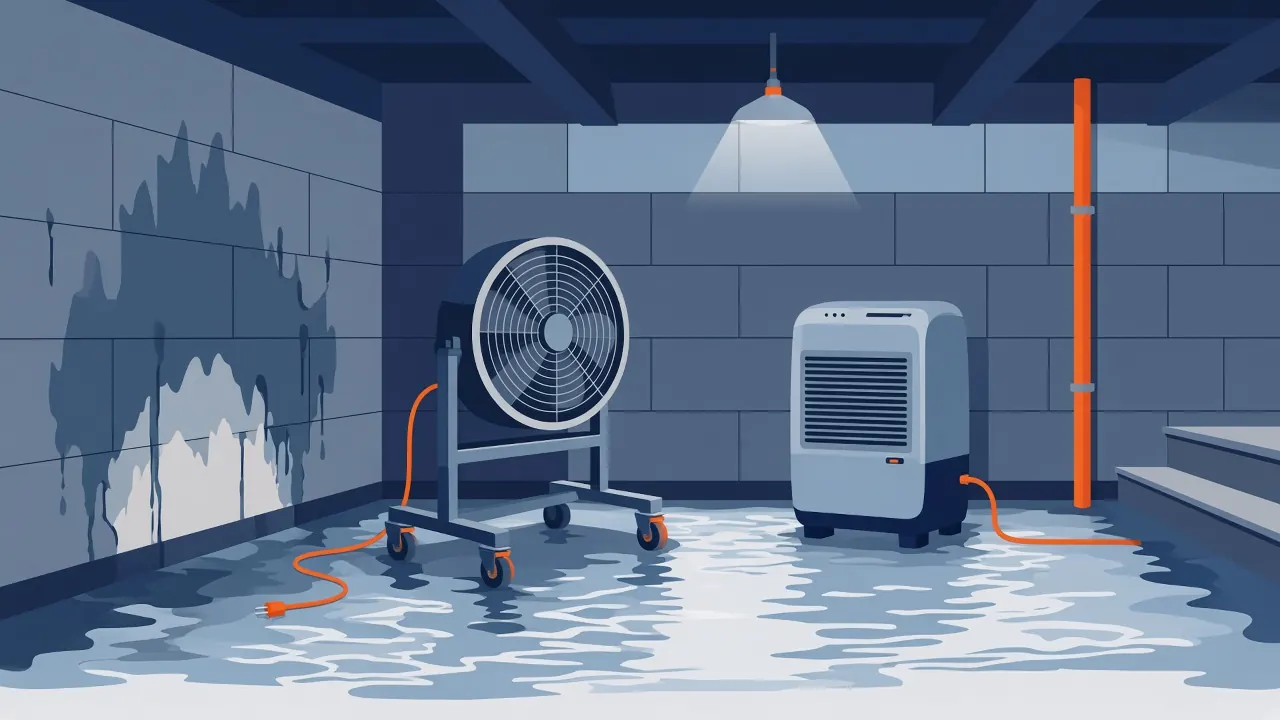
Water damage spreads quickly. Standing water and wet building materials can begin to support mold growth within 24–48 hours, so fast mitigation matters. In New Hampshire, common risks include winter storms, ice dams and frozen pipes.
Signs you may need help
- Standing water or saturated carpet
- Warped floors or bubbling drywall
- Musty odors
- Water lines on walls after flooding
Next steps for New Hampshire property owners
- Make sure the area is safe; turn off power to affected areas if you can do so safely
- Stop the source of water if possible
- Document everything with photos and video
- Call a water mitigation company to extract and dry
- Check whether your loss falls under homeowners or flood (NFIP/private) coverage
Related
Frequently asked questions
How fast can someone help with water & flood damage in New Hampshire?
Response times depend on storm volume in your area. Submit your request and a local service provider will reach out to schedule your free inspection.
Will insurance pay for water & flood damage in New Hampshire?
Coverage depends on your policy and the cause of loss. Only your insurer can determine coverage. Review your deductible and filing deadlines.
How do I verify a New Hampshire contractor?
Check New Hampshire and local licensing requirements, ask for proof of liability and workers' compensation insurance, and get written estimates.