Power Out After a Storm: Generator and Carbon Monoxide Safety, Food Rules and Insurance Steps
Published
What to do when a storm knocks out your power: CDC generator and carbon monoxide rules, USDA/FoodSafety.gov guidance on when to keep or toss refrigerated and frozen food, what to photograph for insurance, and when to call a pro for storm damage.
How far from the house should a generator be?
Short answer: The CDC says to only use generators outside, more than 20 feet away from any windows, doors and vents, and never inside your home or garage, even if doors and windows are open. Use a battery-powered or battery-backup carbon monoxide detector in the home while the generator runs.
How long is food in the fridge safe without power?
Short answer: FoodSafety.gov (citing USDA) says a refrigerator keeps food safe for up to 4 hours if the door stays closed. Discard refrigerated perishables such as meat, poultry, fish, eggs and leftovers after 4 hours without power. Never taste food to judge if it is safe.
How long does a freezer stay cold in an outage?
Short answer: A full freezer holds a safe temperature for about 48 hours, or about 24 hours if half full, with the door closed (FoodSafety.gov). Food that still has ice crystals or is at 40°F or below can be refrozen, though quality may suffer.
Does homeowners insurance pay for food lost in a power outage?
Short answer: It depends on your policy. Some policies include limited coverage for food spoilage and some don't, and outages are treated differently depending on the cause. Check your policy or ask your insurer, and photograph what you throw out before you discard it. Only your insurer decides what is covered.
Safety first: carbon monoxide
The CDC calls carbon monoxide an odorless, colorless gas that kills without warning, and lists portable generators, charcoal grills and gas camp stoves among common sources. Never run a generator inside the house or garage, even with doors and windows open; keep it outside more than 20 feet from windows, doors and vents. Never burn charcoal indoors, never heat the house with a gas oven, and don't use a portable gas camp stove inside. Common symptoms are headache, dizziness, weakness, upset stomach, vomiting, chest pain and confusion, often described as flu-like. If a CO alarm sounds or anyone has symptoms, get everyone outside to fresh air and call 911.
Detectors and downed lines
The CDC recommends battery-operated or battery-backup CO detectors near every sleeping area, which matters most when the power is out. Stay away from downed power lines and anything touching them, and report them to your utility.
Food: what to keep and what to toss
Keep the fridge and freezer doors closed. Per FoodSafety.gov, the fridge keeps food safe for up to 4 hours; after that, discard perishables such as meat, poultry, fish, eggs, leftovers, soft cheeses and milk. A full freezer holds about 48 hours (24 if half full). Food with ice crystals or at 40°F or below can be refrozen. When in doubt, throw it out, and never taste food to test it.
Document for insurance before you clean up
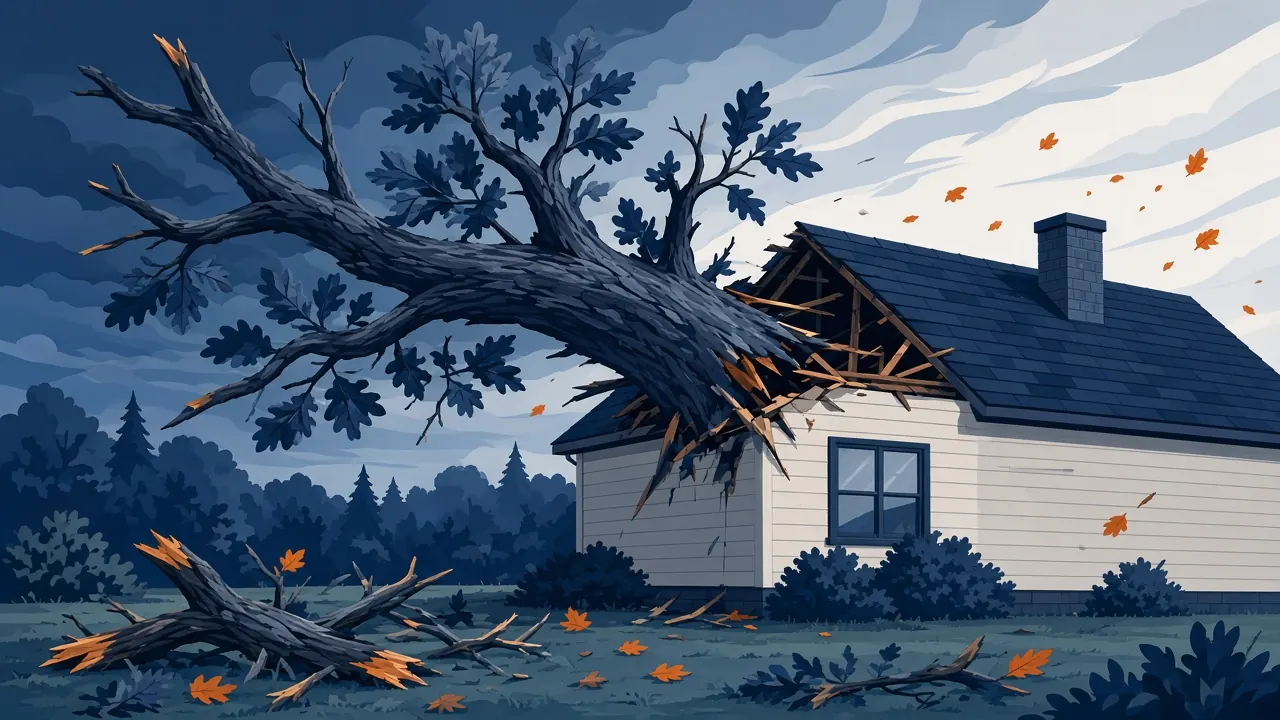
Photograph storm damage to the roof, siding, windows, fences and any fallen trees before cleanup, plus any water coming in. If you throw out food or other items, photograph them and list them first, and keep receipts for emergency repairs, tarps and supplies. Whether food spoilage, tree removal or other costs are covered depends on your policy and the cause of the outage, and only your insurer decides.
Prevent the next problem
If the outage lasts into freezing weather, protect pipes (see our frozen pipes guide). Wet areas from roof or window leaks should be dried within 24 to 48 hours to limit mold risk.
How we can help
ClaimToRepair makes the insurance side easier and gets the repairs done. One licensed local pro can do a free inspection, document the damage with photos and an estimate you can share with your adjuster, and quote the repairs. We don't file, negotiate or adjust claims, and only your insurer decides what is covered. One licensed local pro can check storm damage to the roof, trees or interior and quote the repairs. If water is coming in right now, use Get immediate help: the same-day option has a $50 dispatch fee that is refunded if no one arrives the same day and isn't applied to the cost of the job, or you can schedule a visit instead.
Sources
General information only, not legal or insurance advice. Coverage depends on your policy.