Coastal Flood Cleanup: First Steps for Homeowners After Saltwater Flooding
Published
What to do when tidal or coastal floodwater gets into your home: staying safe, documenting before you clean, reporting the loss, and drying out within 24 to 48 hours.
What should I do first after coastal flooding gets into my house?
Short answer: Go back only when local officials say it is safe. Don't touch electrical equipment if it is wet or you are standing in water, and turn off the electricity only if you can do it safely. Photograph and video the damage before you clean, report the loss to your insurer, then work to dry the house and everything in it within 24 to 48 hours, which EPA advises to help limit mold.
Does homeowners insurance cover coastal flooding?
Short answer: Usually not. Ready.gov notes that homeowners insurance policies do not cover flooding; flood coverage generally comes from a separate policy through FEMA's National Flood Insurance Program (NFIP) or a private flood insurer. Every policy is different, so check your own declarations page and ask your agent. Only your insurer decides coverage.
Safety before anything else
Return home only when authorities say it is safe. Floodwater can be contaminated and hide debris, and downed or underground power lines can electrically charge it, so avoid wading in it (Ready.gov). The National Weather Service warns that just 6 inches of fast-moving water can knock an adult over and about 12 inches can carry away most cars, so never drive or walk into floodwater. Wear boots, gloves, long sleeves and eye protection, and EPA recommends at least an N95 respirator for cleanup. Children, pregnant people and anyone with asthma or a weakened immune system should stay out of the cleanup (EPA). If you run a portable generator, keep it outside and at least 20 feet from the house, away from doors and windows (EPA).
Document before you clean
Before you move or throw anything away, take wide and close-up photos and video of every room, the waterline on walls, and damaged belongings. FEMA's flood insurance site (FloodSmart) also suggests writing down or photographing the make, model and serial number of appliances and electronics, and keeping samples of damaged items such as carpet, flooring and curtains. Keep receipts for anything you buy for cleanup.
Report the loss quickly
Contact your insurer or agent as soon as you can. If you have NFIP flood insurance, FloodSmart says to start your claim as soon as possible; an adjuster will inspect the property and prepare an estimate for you to review. FloodSmart also advises asking an NFIP adjuster to show their Flood Control Number card, and talking to your agent or adjuster before signing a contract with a cleaning or repair contractor. Be cautious with anyone who shows up uninvited: FloodSmart warns that scammers may pose as government agents or insurance adjusters, so always ask for ID.
Dry out within 24 to 48 hours if you can
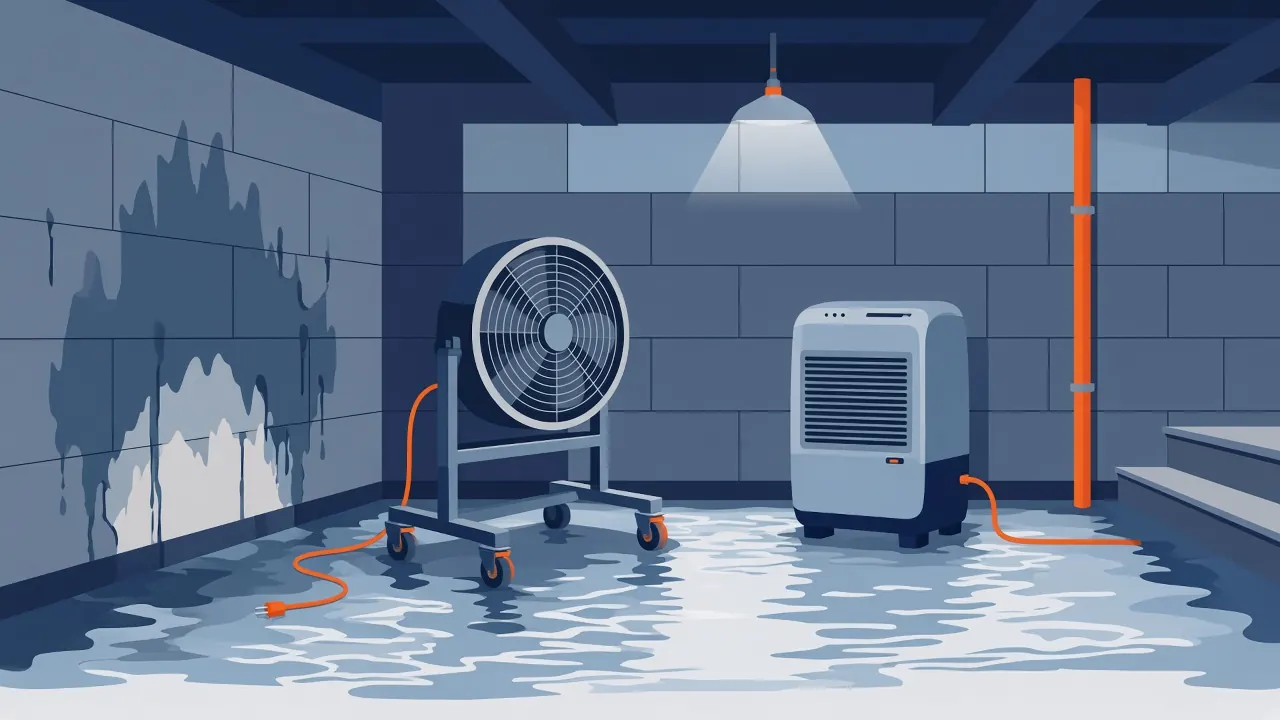
EPA advises drying your home and everything in it within 24 to 48 hours if possible, and to assume mold growth if you could not. Remove standing water and wet materials, and throw away items that cannot be cleaned and dried. Clean hard surfaces gently with water and detergent, and never mix cleaning products or add bleach to other chemicals. Open doors and windows when it is safe. If you can already see mold, EPA suggests cleaning it gently first before running fans or dehumidifiers so they don't spread it. FloodSmart notes that standard NFIP policies do not cover mold damage, which is one more reason to dry out fast.
Saltwater and your home's systems
Coastal and tidal flooding is usually saltwater, which can leave residue on wiring, outlets, appliances, HVAC equipment and metal fasteners. Don't switch on anything that was under water until a licensed electrician or technician has checked it. Ask whoever inspects the damage to note how high the water reached and which systems it touched, so your insurer has a clear record.
If a disaster is declared
If the President declares a major disaster for your area, you may also be able to apply for federal disaster assistance in addition to any flood insurance claim (FloodSmart). Check DisasterAssistance.gov and your local emergency management office for announcements.
How we can help
ClaimToRepair makes the insurance side easier and gets the repairs done. One licensed local water damage pro can do a free inspection, document the damage with photos and an estimate you can share with your adjuster, and quote the drying and repairs. We don't file, negotiate or adjust claims, and only your insurer decides what is covered. If water is coming in right now, use Get immediate help: the same-day option has a $50 dispatch fee that is refunded if no one arrives the same day and isn't applied to the cost of the job, or you can schedule a visit instead.
Sources
General information only, not legal or insurance advice. Coverage depends on your policy.